The New Shape of Everyday Dressing
Tailoring has entered a new chapter. Once associated mainly with formal offices, structured suits, and special occasions, it now plays a much broader role in everyday style. Modern tailoring feels lighter, more flexible, and more expressive. It keeps the clean lines and considers construction of traditional dressing while allowing greater freedom in how each garment is worn.
The result is a wardrobe that feels polished without becoming overly formal. Blazers work with relaxed trousers, structured shirts sit naturally beside softer separates, and carefully cut pieces move easily from working hours to evening plans. Modern tailoring is no longer about following one fixed formula. It is about creating shape, balance, and confidence through clothing that suits real routines.
Structure Without Stiffness
One of the biggest changes in tailoring is the move away from rigid construction. Contemporary silhouettes are designed to hold their form while still feeling comfortable and easy to wear. Shoulders may remain defined, but fabrics feel softer. Trousers keep their clean lines while allowing more movement. Jackets are shaped carefully without appearing restrictive.
This balance makes tailored clothing more approachable for everyday use. A well-cut blazer can bring clarity to a simple outfit without making it feel too formal. Wide-leg trousers can create a strong silhouette while remaining comfortable throughout the day. Even small details, such as a precise collar or carefully placed seam, can make an outfit feel intentional.
Modern tailoring proves that structure does not have to mean stiffness. The most effective designs bring order to an outfit while still allowing the person wearing them to feel natural.
Proportions Are Changing
The new direction of tailoring is also shaped by proportion. Traditional fitted silhouettes now sit beside oversized jackets, longer shirts, cropped layers, relaxed trousers, and fluid shapes.
These contrasting proportions create visual interest and allow more individuality in everyday dressing. An oversized blazer can be balanced with a cleaner lower half, while wider trousers can work beautifully with a more compact top. Longer layers introduce movement, while sharper cuts bring definition.
There is no single correct silhouette anymore. The focus is on how different shapes interact with one another. This makes tailoring feel creative rather than restrictive, giving people more freedom to build outfits around their own preferences.
Everyday Pieces Gain New Purpose
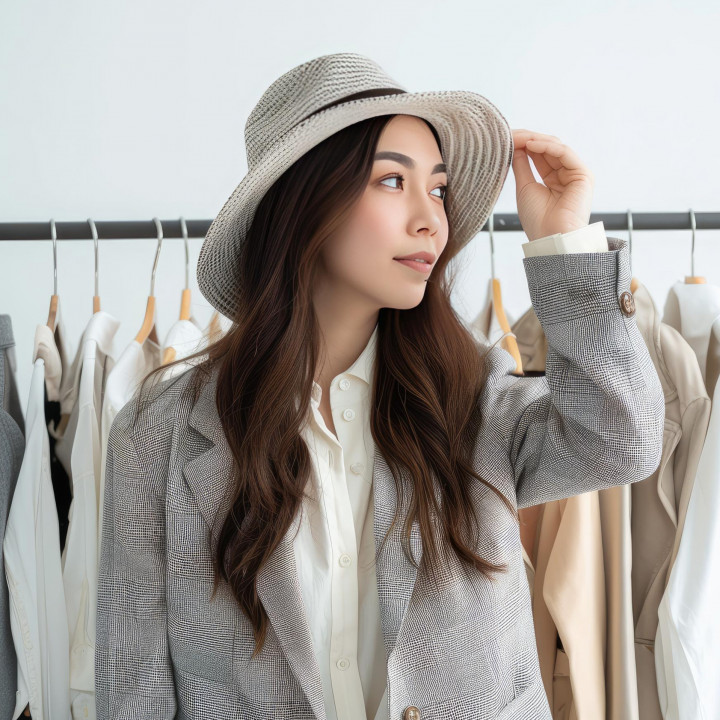
Modern tailoring has also changed the way familiar wardrobe essentials are viewed. A blazer is no longer reserved for a matching suit. Tailored trousers do not need to be worn only with formal shirts. Structured pieces can now be combined with relaxed staples to create outfits that feel balanced and current.
A crisp shirt can be worn open over a simple base layer. A tailored jacket can sharpen an otherwise casual look. Straight or pleated trousers can replace denim when a slightly more refined finish is wanted.
These combinations make tailoring practical because the same garment can serve several different purposes. Instead of belonging to one specific occasion, it becomes part of a flexible wardrobe that adapts throughout the week.
Details Define the Difference
Much of modern tailoring's appeal lies in thoughtful details. Clean lapels, subtle pleats, carefully placed pockets, refined closures, and strong seams can completely change the character of a garment.
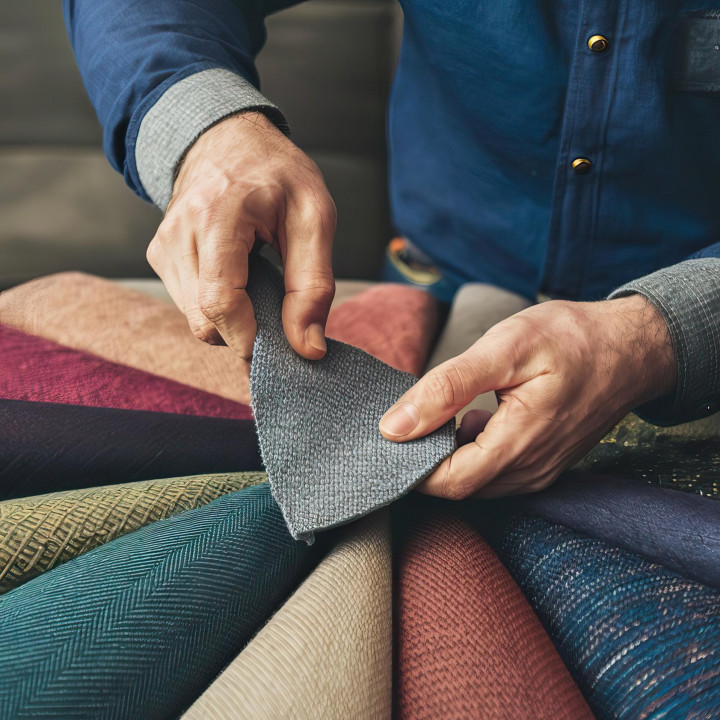
Fabric choice matters just as much. Lightweight materials create a softer appearance, while textured fabrics add depth without requiring heavy decoration. Neutral shades remain important because of their versatility, but richer tones and understated patterns can introduce personality.
The beauty of contemporary tailoring often comes from restraint. Rather than relying on excessive embellishment, it allows shape, construction, and material to create the strongest impression.
Dressing With Greater Freedom
Perhaps the most important change is the freedom modern tailoring offers. It removes the idea that polished dressing must follow strict rules. Instead, it encourages personal combinations, relaxed styling, and clothing that can shift naturally between different parts of the day.
Someone may wear a structured jacket with flowing trousers, combine a sharp shirt with relaxed separates, or build an entire look around one beautifully cut piece. The styling can remain minimal or become more expressive depending on the wearer.
A Modern Wardrobe Language
The new shape of everyday dressing is defined by balance: structure with softness, polish with comfort, and tradition with individuality. Modern tailoring keeps the precision that has always made tailored clothing distinctive, but gives it a more flexible place in contemporary wardrobes.
It is less about dressing for a particular label or occasion and more about choosing clothing that creates presence without unnecessary effort. Through thoughtful proportions, refined construction, and versatile styling, tailoring continues to evolve into something more personal, practical, and relevant to everyday life.