How Fabric Choices Transform Your Look
Fabric does more than determine how clothing feels. It influences the way a garment falls, moves, reflects light, holds shape, and ultimately changes the entire mood of an outfit. Two pieces with the same cut can look completely different when made from different materials. A crisp cotton shirt creates a different impression from a fluid satin version, just as structured denim carries a different character from soft linen.
Understanding texture makes everyday dressing more interesting because it adds depth without relying on complicated styling. The right fabric can make a simple silhouette appear sharper, softer, richer, lighter, or more relaxed. By paying closer attention to material, it becomes easier to build outfits that feel thoughtful and visually balanced.
Texture Creates the First Impression
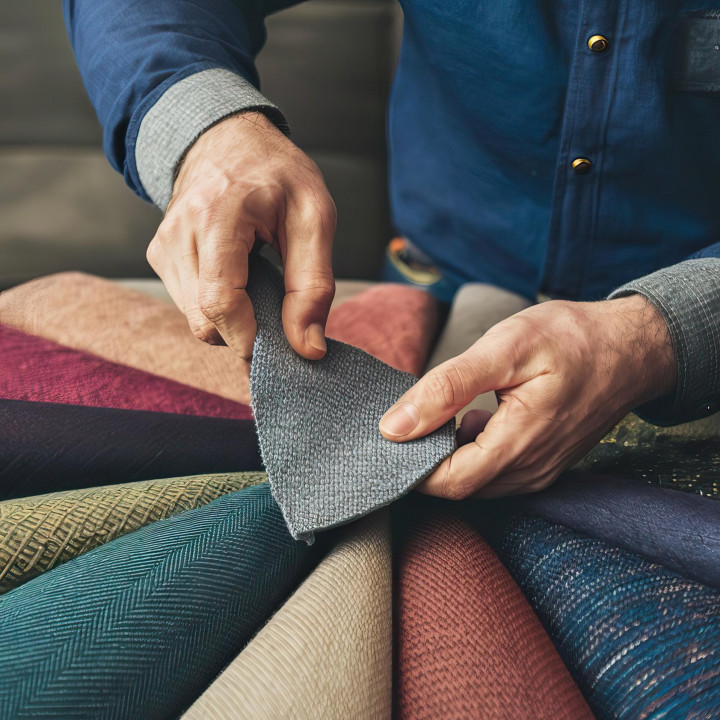
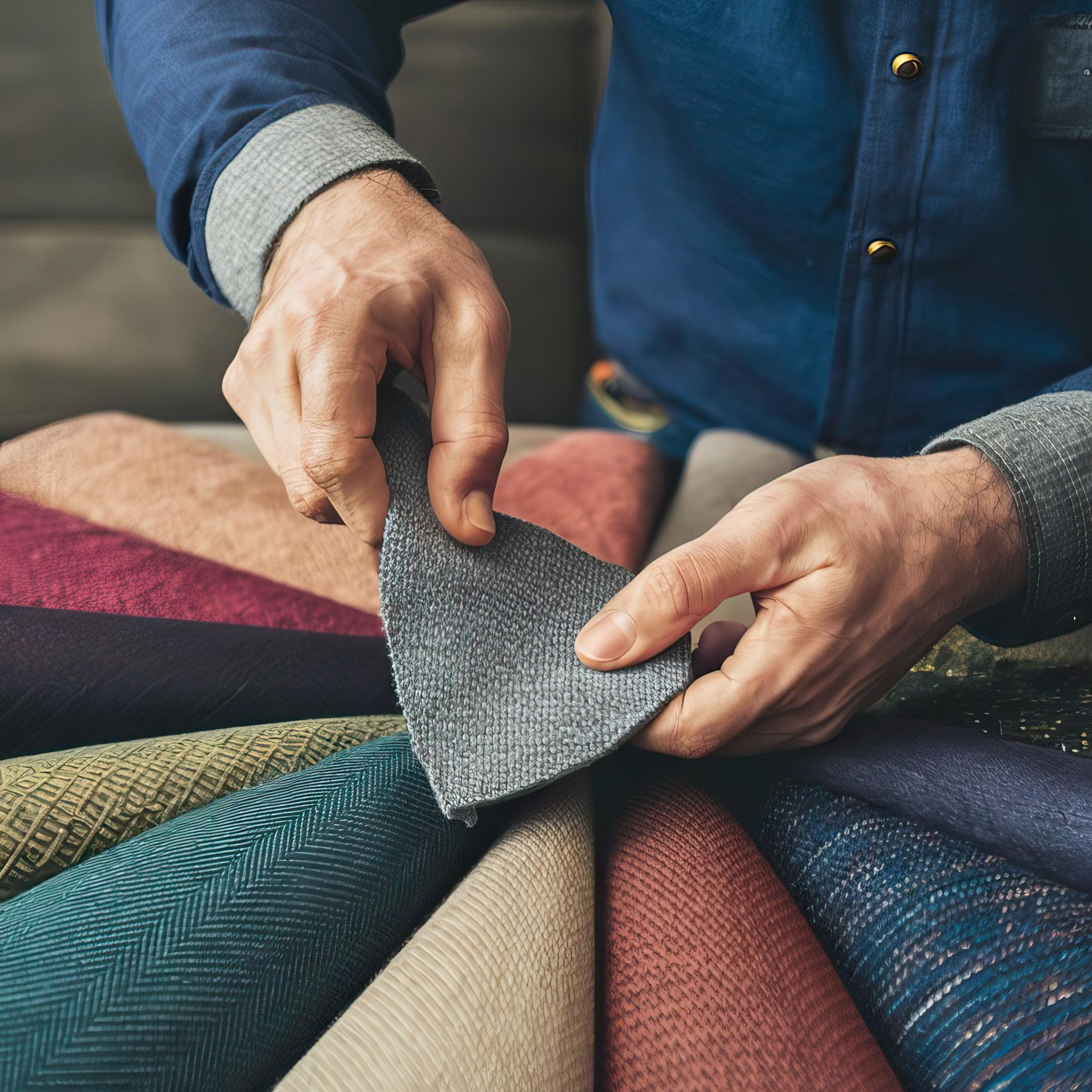
Before color or detailing is fully noticed, texture often shapes how an outfit is perceived. Smooth fabrics tend to feel polished and refined, while brushed, woven, or ribbed surfaces create warmth and dimension.
A sleek material can bring sophistication to a minimal design, while a textured fabric can make a simple garment feel more distinctive. This is why even understated outfits can appear interesting when different surfaces are combined. Texture gives clothing character. It can make an outfit feel strong and structured, soft and comfortable, or light and effortless without changing the overall silhouette.
Structure Begins With Fabric
The shape of a garment depends heavily on its material. Fabrics with more body tend to hold their form, creating defined lines and stronger silhouettes. Softer materials follow the body's movement and produce a more fluid appearance.
Structured cotton, denim, and heavier woven fabrics can bring clarity to jackets, trousers, and skirts. Linen and lightweight blends often create a relaxed shape, while satin-like materials introduce movement and softness.
Choosing between structure and fluidity can completely transform the same outfit idea. A sharply constructed piece can create presence, while a flowing alternative may feel calmer and more relaxed.
Mixing Textures Adds Depth
One of the easiest ways to make an outfit feel considered is to combine contrasting textures. Pairing smooth fabrics with something more tactile creates visual balance and prevents a look from feeling flat.
A soft knit can work beautifully with structured trousers. Crisp cotton can be paired with flowing fabric, while denim can introduce contrast beside lighter materials. Even when an outfit stays within one color family, different textures can create enough variation to make it visually engaging. The key is balance. Too many competing surfaces can become distracting, while two or three complementary textures usually create a more refined result.
Fabric Changes How Color Appears
Color does not look identical across every material. Fabric texture affects the way light interacts with a shade, making it appear deeper, softer, brighter, or more muted.
A glossy surface may make a dark tone look richer, while matte fabric can give the same color a quieter character. Textured materials often create natural shadows, adding subtle variation even when only one shade is used.
This becomes especially useful when building monochrome outfits. Instead of depending on multiple colors, combining different fabric finishes can create contrast while keeping the overall look cohesive.
Comfort Influences Confidence
Fabric choice also affects how comfortable an outfit feels throughout the day. Lightweight, breathable materials can make warm-weather dressing easier, while softer textures can bring comfort to long hours of wear.
When clothing moves comfortably and feels pleasant against the skin, it often changes how naturally the wearer carries the outfit. A beautiful design becomes more useful when the material supports movement rather than restricting it. Modern wardrobes increasingly value this balance between appearance and comfort. The most successful fabric choices offer both visual impact and practical ease.
Seasonal Dressing Through Texture
Texture can also help transition a wardrobe between seasons. Lighter weaves, breathable cotton, linen, and flowing materials often create an airy feeling during warmer months. As temperatures change, denser knits, layered fabrics, and more substantial textures introduce warmth and depth. Seasonal dressing does not always require a complete wardrobe change. Sometimes, introducing different materials is enough to shift the overall mood of familiar outfits.
Let Fabric Lead the Outfit
Strong personal style is often built through small decisions, and fabric is one of the most powerful. It can elevate simple shapes, create contrast, influence proportion, and give familiar clothing a completely different personality.
Rather than treating texture as a secondary detail, consider it part of the foundation of an outfit. Look at how a material moves, how it catches light, and how it works beside other fabrics.
When fabric choices are intentional, even uncomplicated combinations can feel distinctive. Texture brings richness to everyday dressing, proving that style is not only about what you wear, but also about how every material shapes the final look.