
Building Better Outfits Through Smart Colour Pairing
Colour has the power to completely change the way an outfit looks and feels. Even the simplest clothing can appear more refined, expressive, or modern when the shades are chosen thoughtfully. Good colour pairing is not about matching every item perfectly. It is about creating balance between tones so the entire outfit feels connected.
Understanding how colours work together can also make everyday dressing much easier. Instead of relying on the same combinations repeatedly, you can create fresh looks from familiar wardrobe favourites simply by changing the colours you pair together.
Let One Colour Lead
When several colours appear in the same outfit, it helps to give one of them the main role. A statement shirt, jacket, dress, or pair of trousers can become the visual focus while quieter colours support it.
For example, burgundy can stand out beautifully beside cream and brown, while a rich blue piece can be balanced with white or soft grey.
Allowing one shade to take the lead prevents colours from competing with each other. This approach is especially useful when experimenting with stronger tones because it keeps the outfit looking intentional rather than overwhelming.
Explore Tonal Combinations
Tonal dressing involves combining different shades from the same colour family. It creates a sophisticated look while remaining relatively simple to style.
Different versions of brown, from light beige to deeper chocolate tones, can work together naturally. Similarly, pale blue can be layered with navy, or soft green can be combined with deeper olive shades.
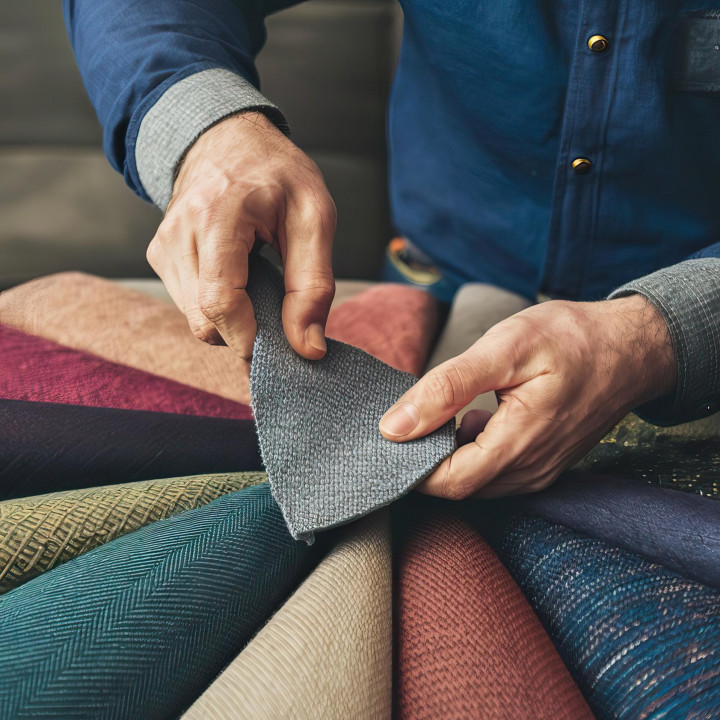
Texture becomes important when creating tonal outfits. Mixing smooth, woven, knitted, or structured fabrics helps separate similar shades and gives the outfit more dimension.
The colours remain connected, but the changes in texture keep the final look interesting.
Balance Strong and Soft Shades
Bold colours often feel easier to wear when they are balanced with softer ones. Instead of combining several bright shades at once, pair one stronger colour with something calmer.
Deep red with beige, forest green with cream, mustard with navy, or cobalt blue with grey can create noticeable contrast without feeling excessive.
The softer shade creates breathing space while the stronger colour provides personality. This balance makes the outfit visually interesting while still keeping it polished.
Consider Warm and Cool Tones
Colours can also be grouped into warmer and cooler families. Warm tones include shades such as camel, rust, mustard, terracotta, and warm brown. Cooler tones include many blues, greys, lavenders, and certain greens.
Pairing colours from similar families can create a naturally harmonious appearance. However, mixing warm and cool tones can also work beautifully when there is enough balance.
For example, a warm brown can soften a cool blue, while cream can connect colours that might otherwise feel very different.
Introduce Colour Through Details
You do not always need a bold garment to bring colour into an outfit. Smaller details can have just as much impact.
A colourful bag, scarf, belt, shoe, or layered top can add personality to a neutral combination. This is also an easy way to experiment with unfamiliar shades before wearing them more prominently.
Repeating a small accent colour elsewhere can help the look feel more connected without appearing overly coordinated.
Build a Palette That Feels Personal
The best colour combinations are not simply the ones considered fashionable. They are the shades that work naturally with your wardrobe and reflect how you want to dress.
Experiment with different combinations, notice which colours make your favourite garments feel new, and avoid being limited by strict rules. Some of the most memorable outfits come from pairings that feel slightly unexpected.
Smart colour pairing is ultimately about creating harmony while leaving room for individuality. When shades are chosen with purpose, simple outfits gain more depth, familiar clothing feels refreshed, and everyday dressing becomes far more creative.